A cap may be a simple everyday accessory, but when it is customized with the right design, it can become a powerful part of a brand’s identity.
From small businesses and fashion labels to corporate teams, sports organizations and promotional campaigns, custom caps give brands a practical way to put their identity into something people can actually wear.
Unlike traditional advertising, branded headwear can continue promoting a business long after an event, campaign or marketing activity has ended. A well-designed cap can become part of someone’s everyday wardrobe, allowing a brand to be seen naturally in different places and situations.
However, creating a successful custom cap isn’t simply about placing a logo on a blank hat.
The cap style, material, color, logo placement, customization method and intended audience all influence the final product.
Whether you’re planning a small promotional order or developing a complete branded cap collection, understanding these elements can help you make better decisions.
In this guide, we’ll look at everything you need to know about creating custom caps for your brand, from the initial idea to the finished product.
What Are Custom Caps?
Custom caps are headwear products that are modified or branded according to a customer’s specific requirements.
Instead of choosing a standard, ready-made cap, you can customize different elements to create a product that represents your business, organization or personal brand.
Depending on the project, customization may include:
- Company logos
- Brand names
- Custom colors
- Text or slogans
- Embroidery
- Printed graphics
- Logo placement
- Custom labels
- Different cap styles
- Special design details
The level of customization depends on the cap style, production method and project requirements.
For some businesses, a simple logo on the front may be enough. Others may want a complete branded design involving multiple colors, placements and additional details.
The goal is to create a cap that feels connected to the brand rather than looking like a generic product with a logo added afterward.
Why Are Custom Caps Popular for Branding?
Brands are constantly looking for ways to become more recognizable.
A website can introduce your business. Social media can help you communicate with your audience. Advertising can bring attention to your products.
But physical branded products offer something different.
They allow customers, employees or members of a community to interact with the brand in the real world.
Custom caps are particularly useful because they are:
Wearable
People can use them regularly instead of treating them as disposable promotional materials.
Visible
A cap naturally places branding at a noticeable position, particularly when the logo is placed on the front.
Practical
Unlike many promotional products, caps can be used for everyday activities.
Versatile
They can be used by fashion brands, businesses, teams, organizations and event companies.
Brandable
A simple cap can be transformed through colors, logos, artwork and other customization options.
This combination makes custom headwear an interesting option for many different types of brands.
1. Start With Your Brand Identity
Before selecting a cap, think about the identity you want the finished product to communicate.
Your cap should feel like part of your brand.
For example, a premium fashion company might prefer a minimalist cap with subtle branding.
A sports team may want bold colors and a prominent logo.
A construction or outdoor business may prioritize durable materials and practical design.
A lifestyle brand might choose a relaxed cap style with understated branding.
Ask yourself:
What should someone think when they see this cap?
Professional?
Modern?
Sporty?
Premium?
Casual?
Creative?
Outdoor-focused?
The answer can help guide many of your later decisions.
2. Choose the Right Custom Cap Style
There are many different cap styles available, and each one creates a different visual impression.
Baseball Caps
Baseball caps are one of the most recognizable and versatile options.
They can work for:
- Corporate branding
- Sports teams
- Events
- Promotional campaigns
- Fashion brands
- Everyday merchandise
Their classic shape makes them a safe choice for many projects.
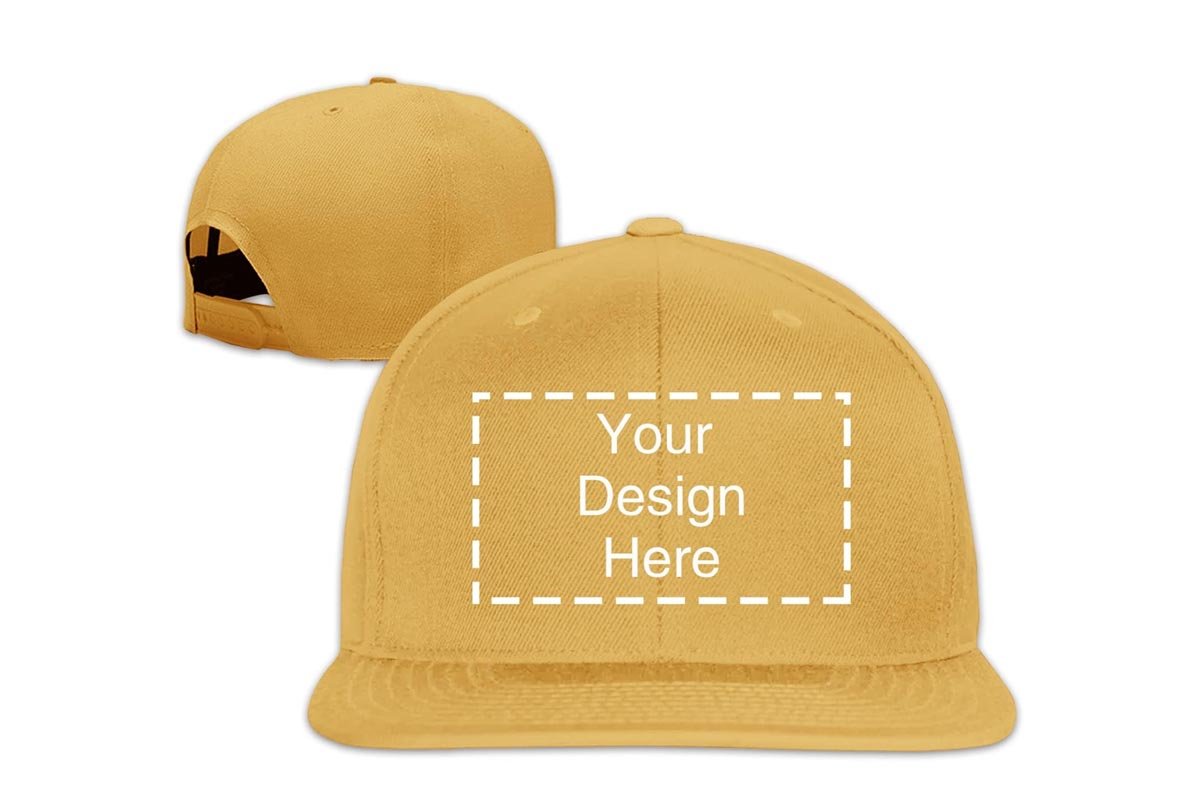
Snapback Caps
Snapbacks typically feature an adjustable rear closure and a structured appearance.
They can be a strong option for:
- Streetwear
- Lifestyle brands
- Youth-focused businesses
- Events
- Promotional merchandise
Their contemporary appearance can work particularly well with bold branding.
Trucker Caps
Trucker caps usually feature a breathable mesh section at the back.
They have a casual and outdoor-oriented appearance.
They may work particularly well for:
- Outdoor businesses
- Food and beverage brands
- Casual lifestyle companies
- Promotional campaigns
- Events
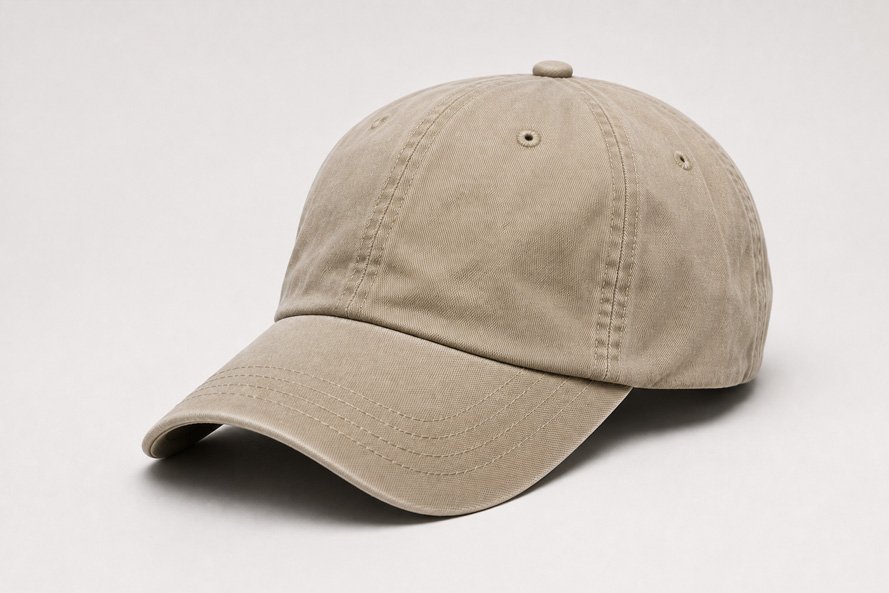
Dad Caps
Dad caps typically have a softer, more relaxed appearance.
They can be suitable for brands looking for a casual and understated product.
A small embroidered logo can work especially well with this style.
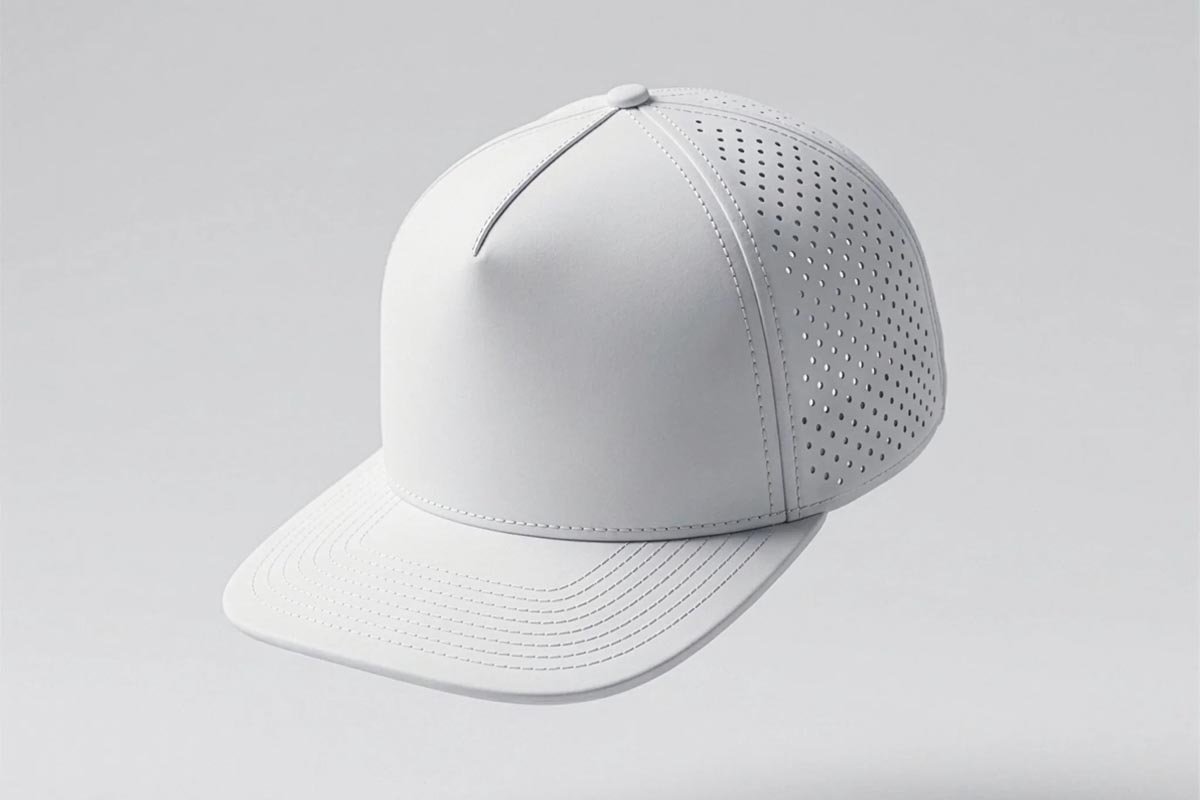
5-Panel Caps
Five-panel caps have a modern silhouette and are often associated with streetwear, outdoor and contemporary brands.
They can provide a distinctive platform for custom branding.
3. Decide What You Want to Customize
Not every custom cap needs the same level of customization.
Before production, determine which elements are important for your project.
Logo
Your logo will usually be the primary branding element.
Color
You can select cap colors that complement your brand identity.
Text
Brand names, slogans, initials or other text may be incorporated depending on the design.
Placement
Your branding can potentially be positioned on the front, side or back depending on the cap style.
Additional Branding
Some projects may include labels, secondary marks or other design elements.
The important thing is to decide which elements actually improve the product.
More customization doesn’t automatically mean a better cap.
4. Design Your Logo for the Cap
Your logo may already exist, but that doesn’t mean it will look exactly the same on fabric as it does on a website.
Digital and physical branding work differently.
For example, very thin lines or tiny text may become difficult to reproduce at smaller sizes.
Before finalizing your design, consider:
- Logo size
- Logo proportions
- Fine details
- Text readability
- Number of colors
- Contrast with the cap
A simplified version of a logo can sometimes produce a cleaner result on a cap.
The goal should always be recognizable branding with good visual balance.
5. Choose the Right Color Combination
Color is one of the easiest ways to make custom caps feel connected to a brand.
You can use your existing brand colors or create a complementary combination.
Some examples include:
Black + White
A classic high-contrast combination.
Navy + Light Branding
A professional and refined appearance.
White + Dark Logo
Clean and highly recognizable.
Neutral Cap + Brand Color
Allows the logo to become the main visual element.
Brand Color + Contrasting Logo
Creates a stronger promotional appearance.
When choosing colors, don’t only think about your logo.
Consider the entire cap.
The crown, brim, closure and other components should work together visually.
6. Think About Logo Placement
Logo placement can completely change the character of a custom cap.
Front
The front is the most common location for a primary logo.
It provides strong visibility and is usually the first area people notice.
Side
Side placement can be more subtle.
It can work for secondary logos, initials or small branding elements.
Back
The back can be useful for additional information such as a slogan, website or secondary brand mark.
Some designs can combine multiple placements, but simplicity is often more effective.
7. Choose Between Different Customization Methods
Custom caps can be branded using different techniques.
The most appropriate option depends on the artwork, material, design and desired appearance.
Embroidery
Embroidery creates a textured, stitched appearance.
It is particularly suitable for logos, names and relatively simple graphics.
Printing
Printing can be useful for more detailed artwork or designs that require a flat graphic appearance.
Other Customization Options
Depending on the supplier and cap style, additional techniques may be available.
When deciding, consider:
- Artwork complexity
- Desired appearance
- Cap material
- Number of colors
- Intended use
- Production quantity
A customization method should support the design rather than simply being chosen because it is available.
8. Select Materials Based on Use
The material of the cap can affect comfort, appearance and practical performance.
Different projects may require different materials.
For example, a lifestyle brand may prioritize fabric feel and appearance, while an outdoor business may focus more heavily on breathability and durability.
Depending on the cap style, materials can include:
- Cotton
- Polyester
- Mesh
- Blended fabrics
- Other textile constructions
When selecting a material, think about where and how the caps will be used.
A cap intended for everyday outdoor use may have different requirements from one designed primarily as a fashion accessory.
9. Consider Your Audience
One of the most important questions is:
Who is going to wear these caps?
Your audience should influence your decisions.
A younger streetwear audience may prefer structured caps and bold branding.
Corporate employees may need something more professional and understated.
Sports teams may prioritize team colors and recognizable logos.
Fashion customers may care more about silhouette, material and overall design.
A custom cap is more successful when people actually want to wear it.
That’s why audience preferences should be considered alongside brand identity.
10. Custom Caps for Businesses
Businesses can use custom caps in many different ways.
Employee Uniforms
Branded caps can help create a consistent appearance for employees.
This can be particularly useful for:
- Restaurants
- Outdoor services
- Retail businesses
- Construction companies
- Delivery teams
- Hospitality businesses
Promotional Merchandise
Custom caps can be distributed at events or used as part of marketing campaigns.
Corporate Events
Branded headwear can help employees and event teams look visually consistent.
Customer Gifts
A useful branded cap can be given to customers as part of a promotional strategy.
11. Custom Caps for Fashion Brands
Fashion brands often approach custom caps differently.
The cap itself becomes part of the product collection.
That means the design needs to work with the rest of the brand.
Consider:
- Logo scale
- Cap silhouette
- Color palette
- Material
- Embellishment
- Collection consistency
A minimalist fashion label might choose a small logo on a neutral cap.
A streetwear label may prefer a larger graphic or bold color combination.
There is no single correct approach.
The right design depends on the brand’s personality.
12. Custom Caps for Events and Promotions
Events can benefit significantly from branded headwear.
Custom caps can be created for:
- Product launches
- Festivals
- Conferences
- Trade shows
- Sports events
- Charity events
- Company celebrations
- Marketing campaigns
The advantage is that the product can continue to be used after the event.
Instead of disappearing once the event ends, the cap can continue displaying the brand whenever someone wears it.
13. Planning a Custom Caps Wholesale Order
If you’re ordering a large quantity, preparation becomes even more important.
Before requesting a quote, gather the key information.
Cap Style
Which style do you want?
Quantity
How many units are required?
Colors
Which cap colors are preferred?
Logo
What artwork will be used?
Branding Method
Embroidery, printing or another option?
Placement
Front, side, back or multiple positions?
Intended Use
Retail, promotional, corporate, event or another application?
Having this information ready can make the quotation and communication process much easier.
14. Why Samples Can Be Helpful
If you’re ordering a significant quantity, consider reviewing a sample before full production where available.
A sample can help you evaluate:
- Actual color
- Logo size
- Branding quality
- Placement
- Material
- Overall appearance
- Fit and construction
This is especially useful when creating a new retail product.
Digital artwork can provide an excellent preview, but seeing a physical product can reveal details that aren’t always obvious on screen.
15. Avoid Overdesigning Your Custom Cap
One common mistake is trying to include too much information.
A cap doesn’t have the same visual space as a website or brochure.
If you add:
- Large logo
- Company name
- Website
- Phone number
- Slogan
- Multiple graphics
- Several colors
the design can quickly become crowded.
Instead, identify the one or two elements that matter most.
For most brands, this might simply be:
Logo + Brand Color
Sometimes simplicity creates a much stronger result.
16. Create Different Versions of the Same Design
If you’re producing caps for a brand, you don’t necessarily need to create completely different designs.
You can create a consistent collection using variations.
For example:
Black Cap
White logo
Navy Cap
Brand-color logo
White Cap
Dark logo
Khaki Cap
Minimal embroidery
This creates variety while maintaining a consistent brand identity.
For retail collections, this approach can also make it easier for customers to choose their preferred color.
17. Quality Matters in Custom Headwear
A custom cap represents your brand.
That means the quality of the finished product can influence how people perceive the company behind it.
Pay attention to:
- Fabric quality
- Stitching
- Logo application
- Color consistency
- Cap construction
- Fit
- Finishing
A great logo cannot completely compensate for a poorly made product.
The goal should be to create a finished cap where design and product quality support each other.
18. How to Make Your Custom Caps More Memorable
A memorable cap doesn’t always need a complicated design.
Instead, focus on creating something that feels distinctive.
You might use:
- A recognizable color combination
- A unique logo treatment
- Minimal branding
- A distinctive cap style
- A consistent collection
- Carefully selected placement
Think about how the cap will look from a distance and up close.
A good design should work at both levels.
Why Choose CustomCaps With Logo?
At CustomCaps With Logo, we focus on helping businesses and brands turn their ideas into customized headwear.
Whether you need caps for a company, fashion label, event, team, promotional campaign or retail collection, every project can have different requirements.
That’s why customization starts with understanding the project.
Your preferred cap style, branding, colors, logo and quantity all contribute to the final product.
We aim to make the process easier by helping customers explore suitable options and create custom headwear around their requirements.
From a simple branded cap to a larger custom collection, the objective is the same:
Create a product that represents your brand and is worth wearing.
Final Thoughts
Creating custom caps is an opportunity to take your brand identity beyond digital platforms and turn it into something physical.
The right cap can become part of an employee uniform, a promotional campaign, a fashion collection, a sports identity or an everyday branded product.
But good custom headwear starts with good planning.
Define the purpose of the caps.
Understand your audience.
Choose the right cap style.
Prepare your logo properly.
Select suitable colors and customization methods.
Think carefully about placement.
Consider materials and comfort.
And if you’re planning a larger order, review your design carefully before production.
Most importantly, remember that the best custom cap isn’t necessarily the one with the most branding.
It is the one where the cap, the design and the brand all work together naturally.