A custom cap can be much more than a simple accessory. For businesses, fashion brands, sports teams, organizations and promotional campaigns, a well-designed cap can become a practical way to put a brand in front of people wherever they go.
But choosing the right custom cap isn’t always as simple as picking a color and adding a logo.
The cap style, material, fit, logo size, embroidery method, placement and overall design can all affect how the finished product looks and feels. A cap that works perfectly for a fashion brand may not be the right choice for a corporate team or outdoor promotional campaign.
That is why it is important to think about the entire project before moving into production.
In this guide, we’ll explore the key things to consider when creating custom caps with logo, from choosing the right cap style to selecting a suitable branding method and preparing your artwork.
Why Custom Caps Are Valuable for Brands
Branding is most effective when people can recognize and remember it. While websites, advertisements and social media are important parts of a marketing strategy, physical branded products can help bring a company identity into everyday life.
Custom caps are particularly useful because they are practical, wearable and highly visible.
A customer can wear a branded cap while shopping, traveling, attending an event, working outdoors or simply spending time with friends. Every time the cap is worn, the brand has another opportunity to be seen.
For businesses, custom caps can be used in several ways:
- Employee uniforms
- Promotional merchandise
- Corporate events
- Sports teams
- Brand launches
- Fashion collections
- Retail products
- Customer giveaways
- Outdoor campaigns
- Clubs and organizations
The key is choosing a cap that matches the purpose of the project.
1. Start With the Purpose of Your Caps
Before choosing a cap style, think about why you need the caps.
This is one of the most important decisions in the entire process.
Are the caps going to be sold as part of a fashion collection? Will employees wear them at work? Are they promotional products for an event? Are they being created for a sports team?
Different purposes can lead to very different design choices.
Fashion Brands
Fashion brands often want caps that complement their existing clothing and accessories. Style, silhouette, color and overall appearance may be more important than simply making a logo highly visible.
A clean embroidered logo on a well-selected cap can create a premium and understated look.
Corporate Businesses
Companies may use custom caps as part of employee uniforms, promotional merchandise or corporate events.
In these situations, clear logo visibility and a professional appearance are usually important.
Sports Teams and Clubs
Sports organizations often need caps that create a sense of team identity. Team colors, logos, names and numbers can all become part of the design.
Events and Promotions
For promotional campaigns, the goal may be maximum visibility. A bold logo, strong color contrast and recognizable cap style can help make the merchandise more noticeable.
Understanding the purpose first makes every decision that follows much easier.
2. Choose the Right Cap Style
Once you know how the caps will be used, the next step is selecting the appropriate style.
There isn’t one universal cap style that works for every brand.
Baseball Caps
Baseball caps are among the most versatile options for custom branding.
Their familiar shape makes them suitable for:
- Businesses
- Teams
- Events
- Promotional campaigns
- Lifestyle brands
The front panel also provides a natural area for logo embroidery or other branding.
If you’re unsure which style to choose, a classic baseball cap can be a good starting point.
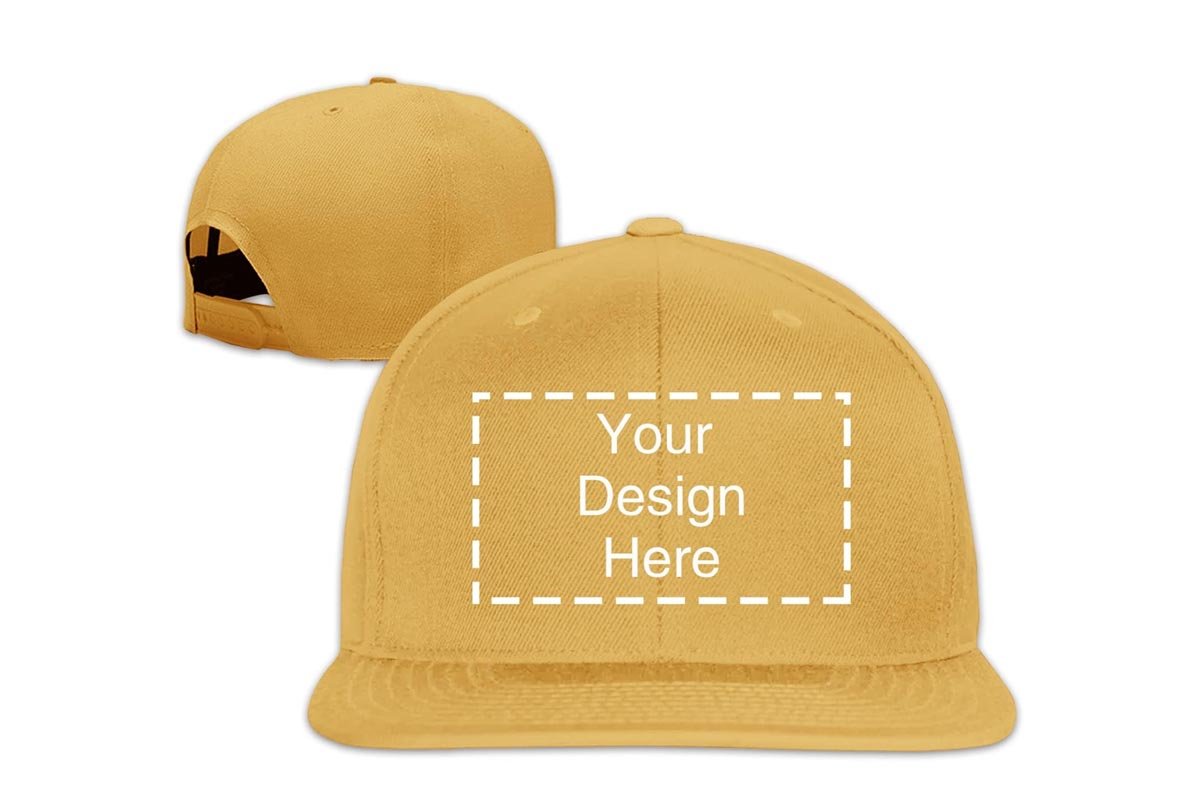
Snapback Caps
Snapback caps generally have an adjustable closure and a more contemporary appearance.
They are particularly popular for:
- Streetwear brands
- Lifestyle businesses
- Youth-focused brands
- Events
- Promotional merchandise
Their structured profile can provide a strong visual base for bold logos and graphic branding.
Trucker Caps
Trucker caps are recognizable for their mesh back construction and casual appearance.
They can work particularly well for:
- Outdoor brands
- Casual businesses
- Events
- Food and beverage brands
- Lifestyle products
Their breathable construction can also make them suitable for warmer environments and outdoor activities.
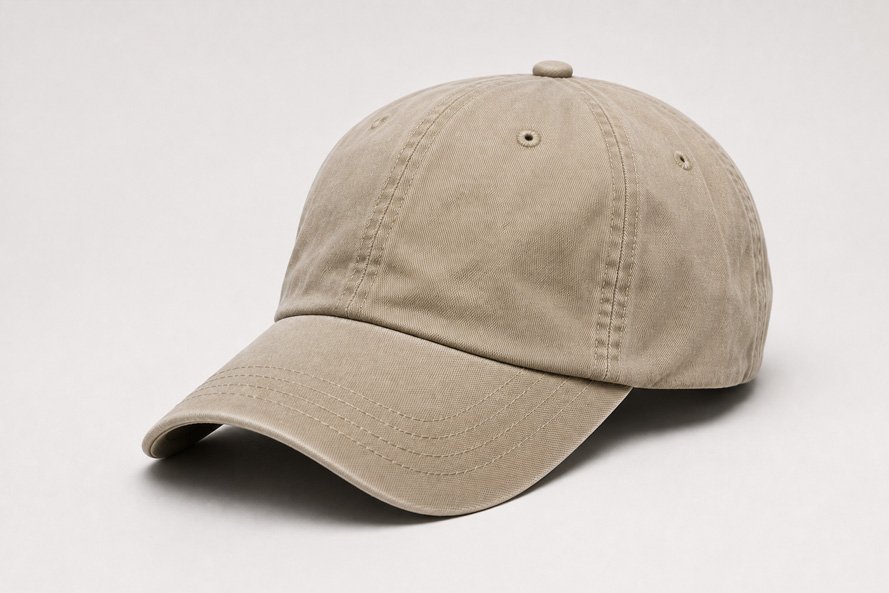
Dad Caps
Dad caps typically offer a softer and more relaxed appearance.
They can be a good choice for brands looking for a casual, understated style.
They work especially well with:
- Minimal logos
- Small embroidery
- Lifestyle branding
- Casual fashion collections
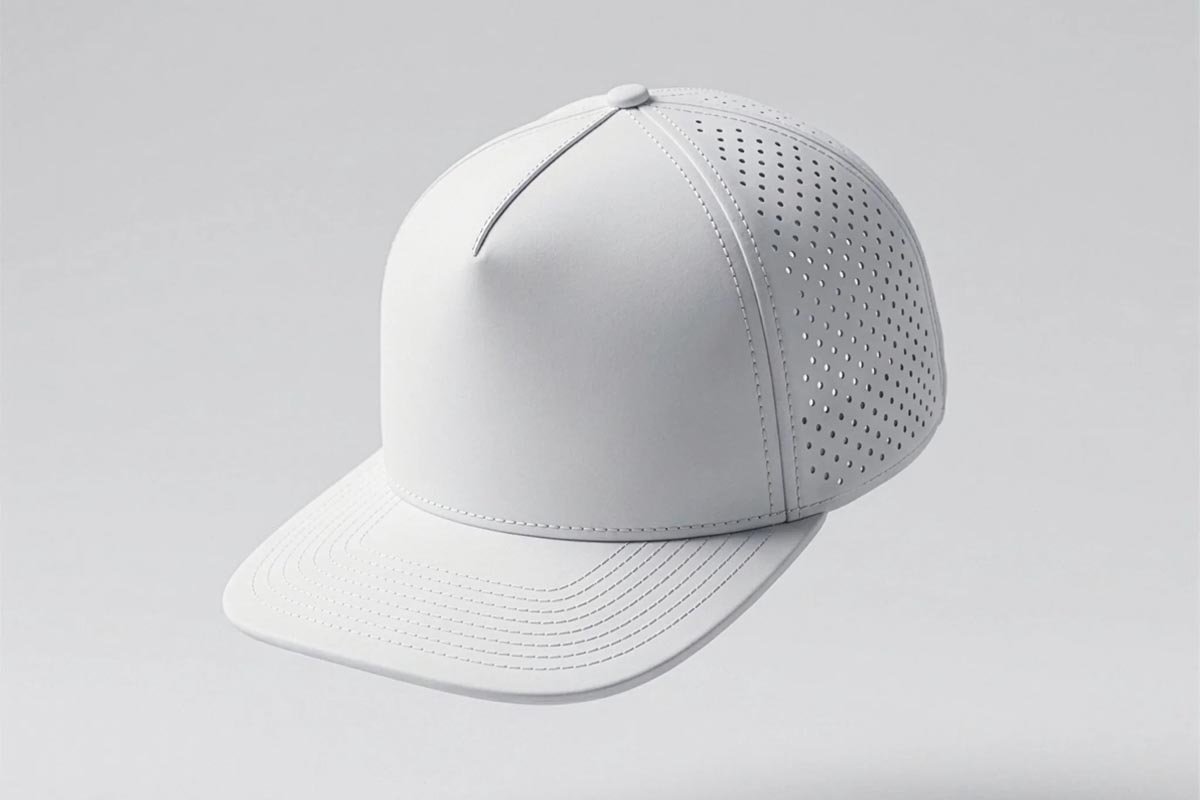
5-Panel Caps
Five-panel caps have a clean and contemporary silhouette.
They are often associated with modern streetwear, outdoor brands and creative businesses.
The front panel can provide a distinctive surface for branding, especially when the design is kept clean and visually balanced.
3. Think Carefully About Your Logo
Your logo is probably the most important visual element on a custom cap.
A logo that looks excellent on a website may need adjustments before it works well on fabric.
For example, very thin lines, tiny text or highly detailed graphics may become difficult to reproduce at a small size.
Before production, consider:
Logo Size
The logo should be large enough to remain recognizable but not so large that it overwhelms the cap.
Logo Complexity
Simple logos are often easier to reproduce, particularly when embroidery is involved.
Text
Small lettering can become difficult to read when embroidered. If your logo contains a lot of small text, discuss the artwork with your customization provider before production.
Contrast
The relationship between the logo and cap color is also important.
A dark logo on a dark cap may have a subtle appearance, while a high-contrast combination can make the branding much more noticeable.
4. Choose the Right Logo Placement
Where you place your logo can completely change the appearance of your cap.
Front Center
The front center is the most traditional and recognizable location.
It is often ideal for:
- Company logos
- Brand marks
- Team logos
- Primary artwork
If maximum brand visibility is your goal, this is usually one of the first placements to consider.
Side Placement
A logo on the side of the cap creates a more subtle appearance.
This can be useful for secondary branding or smaller marks.
Back Placement
The rear of a cap can be used for additional branding such as:
- Slogans
- Website addresses
- Small logos
- Team names
Some projects may also combine front and back branding.
The best placement depends on the cap style, artwork and overall design objective.
5. Embroidery vs. Printing
Another major decision is how your logo will be applied to the cap.
Two common approaches are embroidery and printing.
Custom Embroidery
Embroidery creates a raised, textured appearance by stitching the design directly onto the cap.
It is often chosen for:
- Company logos
- Brand names
- Team logos
- Simple graphics
- Premium-looking merchandise
One of the biggest advantages of embroidery is its visual texture. The stitching gives the logo a physical presence that can make the finished cap feel more substantial.
However, not every logo is equally suitable for embroidery.
Very detailed artwork or extremely small text may require adjustments.
Printed Branding
Printing can provide greater flexibility for certain artwork and graphic designs.
It can be useful when a design contains:
- Detailed illustrations
- Complex graphics
- Multiple visual elements
- Specific artwork effects
The best option depends on the artwork, cap material, design goals and intended use.
If you’re uncertain, it’s worth discussing the design before making a final decision.
6. Select Colors That Support Your Brand
Color is another important part of custom cap design.
Your cap doesn’t necessarily need to use exactly the same color as your company logo. Instead, think about how the cap and branding work together.
For example:
Black cap + white logo
Creates a high-contrast, straightforward appearance.
Navy cap + embroidered brand color
Can create a more corporate and refined look.
Neutral cap + colorful logo
Allows the branding to become the primary visual focus.
Brand-color cap + contrasting logo
Creates a stronger promotional appearance.
If you’re creating caps for a fashion collection, you may also want to consider how the cap colors interact with your existing clothing range.
7. Consider the Material and Construction
The visual appearance of a cap is only one part of the equation.
Material and construction can affect comfort, durability and how the finished product feels.
Depending on the chosen style, you may need to consider:
- Cotton
- Polyester
- Mesh
- Blended fabrics
- Structured or unstructured construction
- Adjustable closures
- Brim style
The right choice depends on how and where the caps will be used.
For example, an outdoor campaign may have different requirements from a fashion collection intended primarily for retail.
Instead of choosing material based only on appearance, consider the actual environment in which the cap will be worn.
8. Keep Your Branding Consistent
If your company already has an established visual identity, your custom caps should feel like part of the same brand.
Think about:
- Logo proportions
- Brand colors
- Typography
- Overall design style
- Tone of your brand
A minimalist brand may benefit from a small, clean embroidered logo.
A bold lifestyle brand might prefer a larger logo and stronger color combination.
The goal isn’t simply to put a logo on a cap.
The goal is to create a cap that looks like it belongs to your brand.
9. Don’t Ignore the Audience
Your customers should influence your cap design.
Ask yourself:
Who will actually wear this?
A cap designed for young streetwear customers may look completely different from one created for corporate employees.
Think about:
- Age group
- Lifestyle
- Gender preferences
- Fashion preferences
- Work environment
- Climate
- Intended use
Understanding your audience can help you choose a style that people genuinely want to wear rather than something that simply displays your logo.
10. Plan Your Quantity Carefully
If you’re ordering custom caps for a business, quantity is an important consideration.
You may be purchasing:
- A small promotional run
- Employee uniforms
- Event merchandise
- Retail inventory
- Wholesale products
- A complete branded collection
Before requesting a quotation, estimate how many caps you actually need.
For larger projects, it is also helpful to prepare your requirements in advance:
Cap Style:
Baseball / Snapback / Trucker / Dad Cap / 5-Panel
Quantity:
Estimated number of units
Logo:
Your artwork
Colors:
Preferred cap and logo colors
Branding:
Embroidery / Printing / Other
Placement:
Front / Side / Back
The more information you can provide, the easier it is to discuss your project.
11. Prepare Your Logo Artwork
A good logo file can make the customization process much easier.
Whenever possible, provide a high-quality version of your artwork.
Vector formats such as:
- AI
- EPS
- SVG
can be useful because they can generally be scaled without losing quality.
High-resolution PNG or JPG files may also work depending on the project.
If your existing logo contains tiny details or small text, don’t worry if you’re unsure whether it will work. A customization team can review the artwork and help identify potential issues before production.
12. Think Beyond the Logo
Although the logo is usually the main focus, there are other details that can make a custom cap feel more distinctive.
Depending on the selected style and available options, you may consider:
- Brand labels
- Custom text
- Slogans
- Side branding
- Back branding
- Special color combinations
- Additional finishing details
However, customization doesn’t mean adding as many elements as possible.
Sometimes the strongest design is the simplest one.
A clean cap with a well-positioned logo can often look more professional than a design filled with multiple competing elements.
13. Consider Ordering Samples
If you’re preparing a large order, seeing a physical sample can be valuable.
A digital mockup can show you the basic idea, but a physical sample lets you evaluate things such as:
- Actual cap color
- Logo scale
- Embroidery appearance
- Material feel
- Overall proportions
- Logo placement
This can be especially useful for fashion brands and businesses ordering larger quantities.
A sample can help identify design changes before moving into a larger production run.
14. Custom Caps for Different Business Needs
The flexibility of custom headwear makes it suitable for many types of projects.
For Fashion Brands
Create branded caps that complement your clothing collections.
For Corporate Teams
Use caps as part of a consistent employee or promotional look.
For Sports Teams
Combine team colors, logos and names to create recognizable teamwear.
For Events
Create memorable merchandise for launches, festivals, conferences and campaigns.
For Retailers
Develop custom headwear that can be sold alongside existing apparel and accessories.
For Promotional Campaigns
Turn your logo into a useful product that customers can wear long after an event has ended.
15. What Makes a Great Custom Logo Cap?
A successful custom cap doesn’t necessarily need to be complicated.
In many cases, the strongest designs share a few simple characteristics:
Clear Branding
The logo is recognizable without dominating the entire cap.
Balanced Design
Colors, placement and proportions work together.
Suitable Cap Style
The shape of the cap matches the brand and audience.
Appropriate Branding Method
The logo application works with the artwork and material.
Wearability
The finished product looks like something people actually want to wear.
This last point is particularly important.
A promotional cap may carry your logo, but if people don’t enjoy wearing it, its branding value is limited.
16. Working With a Custom Cap Supplier
Once you have an idea for your custom caps, finding the right supplier becomes the next step.
A good supplier should be able to understand more than just the quantity you need.
Look for a company that can discuss:
- Cap styles
- Branding options
- Logo placement
- Materials
- Customization requirements
- Bulk orders
- Production details
Clear communication is particularly important for custom products because every project can have different requirements.
At CustomCaps With Logo, our focus is helping businesses and brands turn their logo and ideas into customized headwear suited to their project.
Whether you’re developing a new branded collection, preparing promotional merchandise or looking for caps for a business or organization, starting with clear requirements can make the entire process easier.
Final Thoughts
Choosing the right custom cap is about more than selecting a cap and adding a logo.
The best results come from considering the entire product—from the purpose of the cap and the audience who will wear it to the cap style, material, colors, logo placement and branding method.
Start with the purpose.
Then choose a suitable cap style.
Make sure your logo works at the intended size.
Select a branding technique that complements your artwork.
Think carefully about color and placement.
And if you’re ordering in larger quantities, take the time to review your design and requirements before production begins.
A well-designed custom cap can become a valuable part of your brand identity. It can help your team look consistent, give customers something they genuinely want to use, support a promotional campaign or become a product that belongs in your retail collection.
Your logo already represents your brand. The right custom cap can help bring that identity into the real world.